

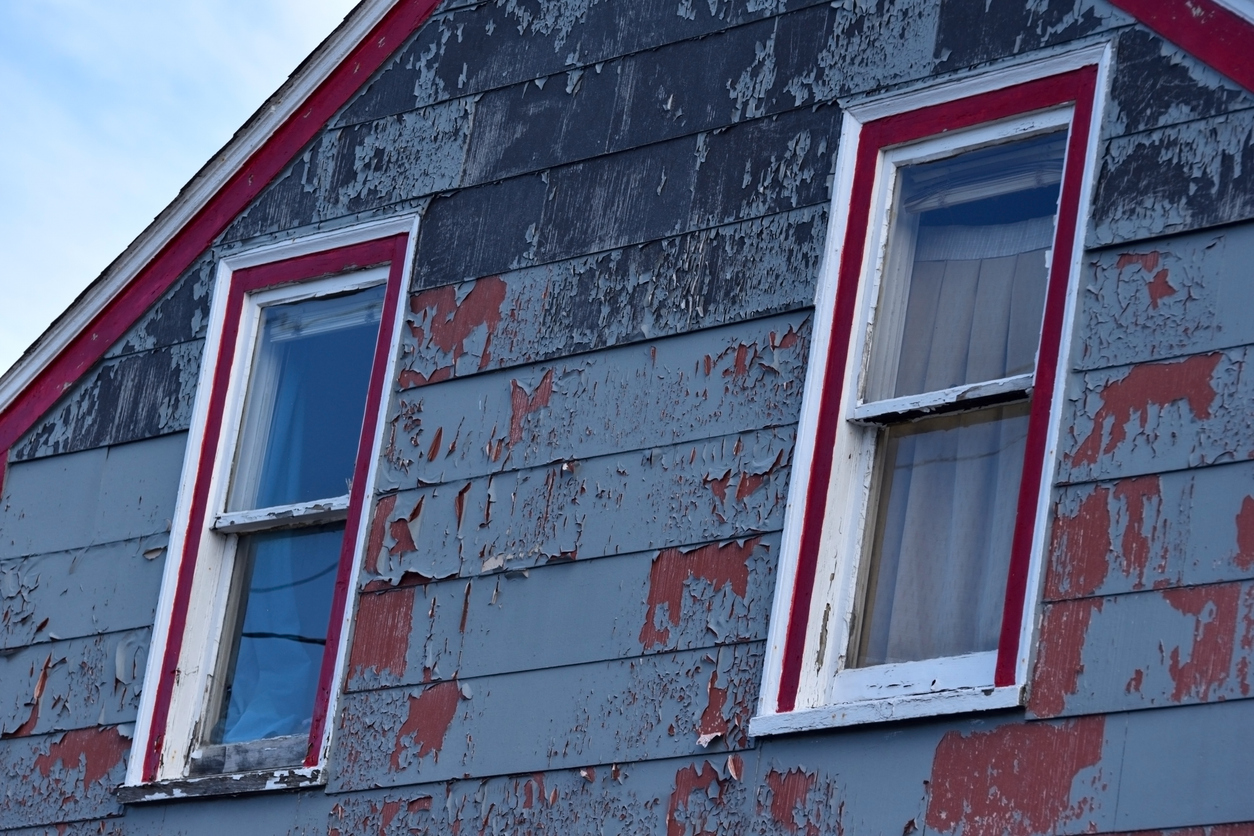
Exterior paint does more than improve curb appeal. It also serves as an important protective barrier that helps shield homes and buildings from moisture, sunlight, temperature changes, and everyday outdoor exposure. Over time, weather conditions can gradually break down exterior paint, leading to fading, peeling, cracking, and surface damage if the property is not properly maintained.
At Kulp Painting, we have been providing professional exterior painting, surface preparation, drywall repair, plaster repair, cabinet refinishing, and remodeling services throughout the Lehigh Valley since 1998. Understanding how weather affects exterior paint can help homeowners protect their investment and know when it may be time for repainting or maintenance.
TL;DR: How Weather Impacts Exterior Paint
- Sun exposure can fade and weaken paint
- Moisture may cause peeling and bubbling
- Temperature changes can lead to cracking
- Humidity affects paint adhesion and drying
- Proper preparation helps paint last longer
- Routine maintenance helps prevent costly repairs
Sun Exposure Gradually Breaks Down Paint
Constant UV exposure is one of the biggest factors affecting exterior paint over time. Direct sunlight can gradually break down paint pigments and protective coatings, causing colors to fade and surfaces to lose their original appearance.
Homes with prolonged sun exposure may experience fading, chalky surfaces, dry or brittle paint, and uneven discoloration. Darker paint colors often absorb more heat, which may accelerate wear in areas that receive intense sunlight throughout the day.
Moisture Can Cause Peeling and Surface Damage
Rain, humidity, and moisture intrusion can significantly impact exterior paint performance. If water becomes trapped beneath the paint surface, it may lead to bubbling, peeling, blistering, cracking, or even wood damage.
Moisture-related paint issues are especially common around windows, doors, trim, gutters, and siding joints where water exposure tends to be highest. Over time, trapped moisture can also contribute to mildew or mold growth on exterior surfaces.
Proper sealing and surface preparation are essential for helping exterior paint withstand changing weather conditions.
Temperature Changes Can Lead to Cracking
Exterior materials naturally expand and contract as temperatures fluctuate throughout the year. Repeated temperature swings can place stress on painted surfaces and eventually contribute to cracking, separation, or premature wear.
Pennsylvania weather often brings hot summers, freezing winters, humidity, rainstorms, snow, and ice throughout the year. These changing conditions can accelerate normal paint deterioration, especially on older homes or surfaces that were not properly prepared before painting.
Humidity Affects Paint Adhesion
Humidity levels can impact how paint dries and bonds to exterior surfaces. Excess moisture in the air may slow curing times and sometimes affect the long-term durability of the finish.
Professional painters carefully monitor weather conditions before and during exterior painting projects to help ensure proper adhesion, even coverage, and long-lasting results. Choosing the right time of year for exterior painting can make a major difference in overall performance.
Proper Surface Preparation Helps Paint Last Longer
One of the most important factors in long-lasting exterior paint is proper preparation. At Kulp Painting, we strongly emphasize thorough surface preparation because even high-quality paint may fail prematurely if the underlying surfaces are not properly cleaned and repaired.
Preparation often includes cleaning surfaces, scraping loose paint, sanding rough areas, repairing damaged sections, caulking gaps, and priming exposed materials. These steps help create a stable surface that allows paint to bond correctly and better withstand weather exposure over time.
Exterior Paint Helps Protect the Home
Exterior paint is not only cosmetic. It also helps protect siding, trim, and other materials from weather-related deterioration. A professionally painted exterior can help:
- reduce moisture intrusion
- protect wood surfaces
- improve curb appeal
- slow exterior wear
- extend the lifespan of siding and trim
Routine repainting and maintenance help preserve both the appearance and structural condition of the property.
Regular Maintenance Helps Prevent Larger Problems
Small paint issues can gradually become larger repair problems if left untreated. Peeling paint, cracked caulking, or exposed wood may allow moisture to penetrate surfaces and contribute to more expensive repairs later.
Regular exterior inspections can help identify fading, cracking, moisture damage, soft wood, failed caulking, and other early signs of deterioration before major repairs become necessary.
Professional Exterior Painting Delivers Better Long-Term Results
Exterior painting projects require proper preparation, quality materials, weather awareness, and professional application techniques. Professional painters understand how different weather conditions affect paint performance and how to properly prepare surfaces for long-lasting results.
At Kulp Painting, our experienced team provides exterior painting services throughout Allentown, Bethlehem, Easton, Emmaus, Macungie, Whitehall, and surrounding Lehigh Valley communities. From surface preparation and drywall repair to full exterior painting and remodeling projects, we focus on delivering quality craftsmanship and dependable service.
If your home’s exterior paint is fading, peeling, cracking, or showing signs of weather damage, Kulp Painting is here to help. Contact our team today to schedule an estimate and learn more about our professional exterior painting services throughout the Lehigh Valley.



Leave A Comment